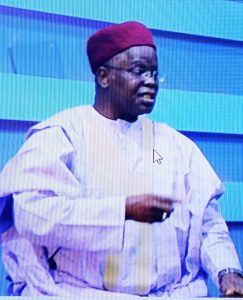
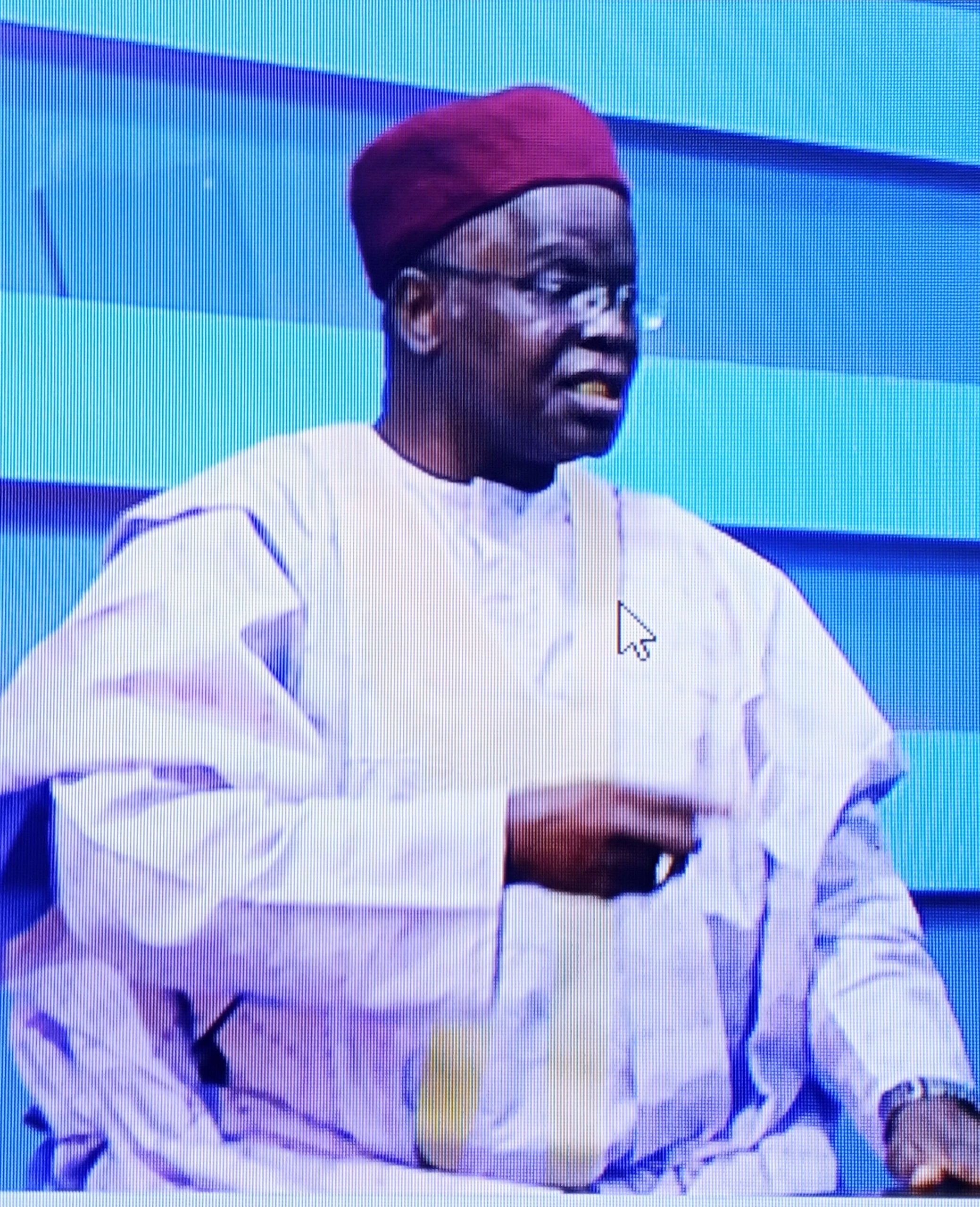
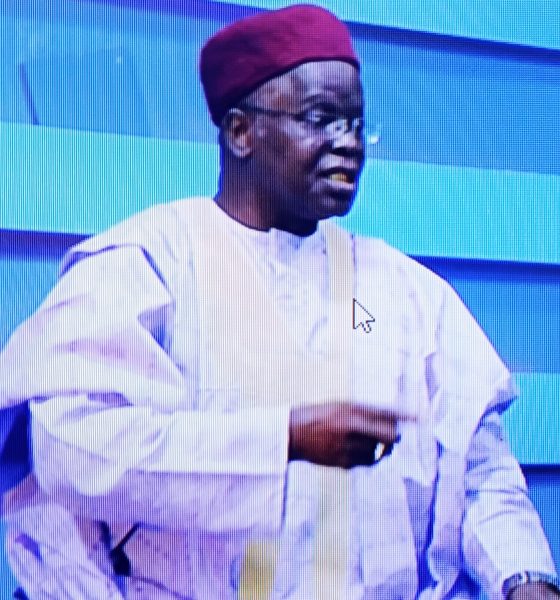
Musa Kamale, an elder statesman based in Yola, Adamawa State made the remarks during an appearance on CAMAA TV’s “Political Affairs” Programme where he offered a scathing assessment of Nigeria’s political ecosystem.
Kamale questioned whether genuine democratic practices exist in Nigeria today.
“If that is the definition of democracy, are the political parties in the Nigerian space today trying to be democratic in any way? The answer is no. Capital no,” Kamale said, referencing the principle of government “of the people, for the people and by the people.”
He accused all political parties—from the ruling APC to the smallest opposition parties—of failing to conduct credible primary elections.
“None of them, I say, none of the political parties from the ruling APC down to the smallest political party in this country conducted credible, acceptable primary elections,” he stated.
The APC chieftain also criticized opposition parties for allegedly emulating the ruling party’s conduct rather than offering a democratic alternative.
Kamale expressed alarm over reported attacks on presidential candidates in Edo and Lagos states, describing the incidents as evidence of rising lawlessness.
“Presidential candidate with all the so-called security people attached to him being attacked in Edo, being attacked yesterday in Lagos. A presidential hopeful. What type of lawlessness is that?” he asked.
He warned that Nigeria could be heading toward a dangerous precipice if the situation continues.
“Mark my words, we are going to fall over. I don’t pray so. It is not my prayer, mark you. But the way we are going, the way we are behaving, the way we are acting is tilting towards that fall. And it is going to be a dangerous fall. For all of us, nobody will escape.”
Kamale also cast doubt on the independence of the Independent National Electoral Commission (INEC), accusing the body of ethnic bias in its leadership structure.
“Ab initio, the head of that INEC was single-handedly appointed by the president from his own tribe. Nigeria is a multi-ethnic, multi-tribal, multi-religious society. Why should you appoint somebody from your tribe?” he asked.
He further alleged that “seven out of eleven directors” of the electoral commission belong to a particular region or ethnic group, raising concerns about fairness.
“How do you expect fairness from that type of institution? So already it has been nepotism, exactly nepotism, despotism,” he said.
Turning to the judiciary, Kamale echoed sentiments attributed to former President Goodluck Jonathan, suggesting the courts have become the final arbiter of election outcomes.
“The judiciary is more of the INEC than the INEC itself,” he stated.
He questioned the independence of the judiciary when the Chief Justice is appointed by a single individual, arguing that “none of them is independent.”
Reflecting on his personal experience, Kamale urged Nigerians to take the current political trajectory seriously.
“I witnessed the Nigerian civil war. I was grown up when the civil war broke out. And I saw the bad stakes that brought about the civil war,” he said, calling for urgent steps to prevent a repeat of history.
The APC stalwart’s remarks add to growing concerns about Nigeria’s democratic institutions as the country approaches the 2027 general elections. His call for reforms within INEC and the judiciary resonates with critics who argue that electoral integrity remains a significant challenge in Africa’s most populous nation.