
Connect with us

News

Tinubu Signs Electoral Act 2026 Amendment into Law, Vows Clearer and Credible Elections

Published

on

Tinubu Signs Electoral Act 2026 Amendment into Law, Vows Clearer and Credible Elections
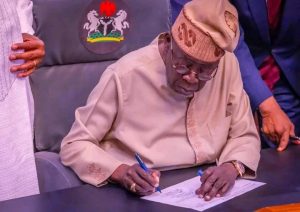
President Bola Ahmed Tinubu on Wednesday signed the Electoral Act 2026 (Amendment) Bill into law, marking the end of months of legislative deliberations and political consultations.

The amended legislation, which was passed by the National Assembly on Tuesday, seeks to address grey areas in the country’s existing electoral framework and strengthen procedures ahead of future elections. Lawmakers had earlier described the bill as a necessary update aimed at enhancing clarity, reducing disputes, and improving the overall conduct of polls nationwide.

President Bola Ahmed Tinubu

President Bola Ahmed Tinubu

The signing ceremony was held at the State House around 5:00 p.m., attended by leaders of the Senate and House of Representatives alongside senior government officials.

Speaking after appending his signature, Bola Ahmed Tinubu commended lawmakers for what he called their “thoughtful engagement” throughout the legislative process. According to him, robust debate and collaboration remain hallmarks of a thriving democracy and are essential for national development and stability.

The President stressed that while the amendment is historically significant, its ultimate test will be in restoring and sustaining public trust in the electoral system. He underscored the importance of ensuring that elections are conducted without confusion or the disenfranchisement of eligible voters.

Tinubu also highlighted a critical point often overlooked in reform debates — that electoral systems, no matter how sophisticated, are operated by people. Transparency, accountability, and integrity, he noted, must remain central to the management of elections.

Weighing in on ongoing discussions surrounding electronic transmission of results, the President urged a realistic assessment of Nigeria’s technological infrastructure, particularly broadband coverage across the country. He maintained that reforms should reflect current capabilities while laying the groundwork for future advancements.

Despite technological improvements, Tinubu clarified that voting would continue to be conducted physically at polling units. Ballot papers will be issued, thumbprinted, sorted, and manually counted before results are entered into official forms.

The key concern, he explained, lies in ensuring that the transmission of those manually collated results is smooth and free from technical disruptions, especially in an era of heightened digital scrutiny.

With the new amendment now in effect, attention is expected to shift toward implementation — and whether the changes will deliver the clarity and credibility many Nigerians hope to see in upcoming elections.

Continue Reading
Click to comment

Leave a Reply

Your email address will not be published. Required fields are marked *

Copyright © 2026 CAMAA MEDIA