
Politics
Electoral Act Amendment: El-Rufai Accuses Akpabio of Blocking Real-Time Results Transmission

Electoral Act Amendment: El-Rufai Accuses Akpabio of Blocking Real-Time Results Transmission
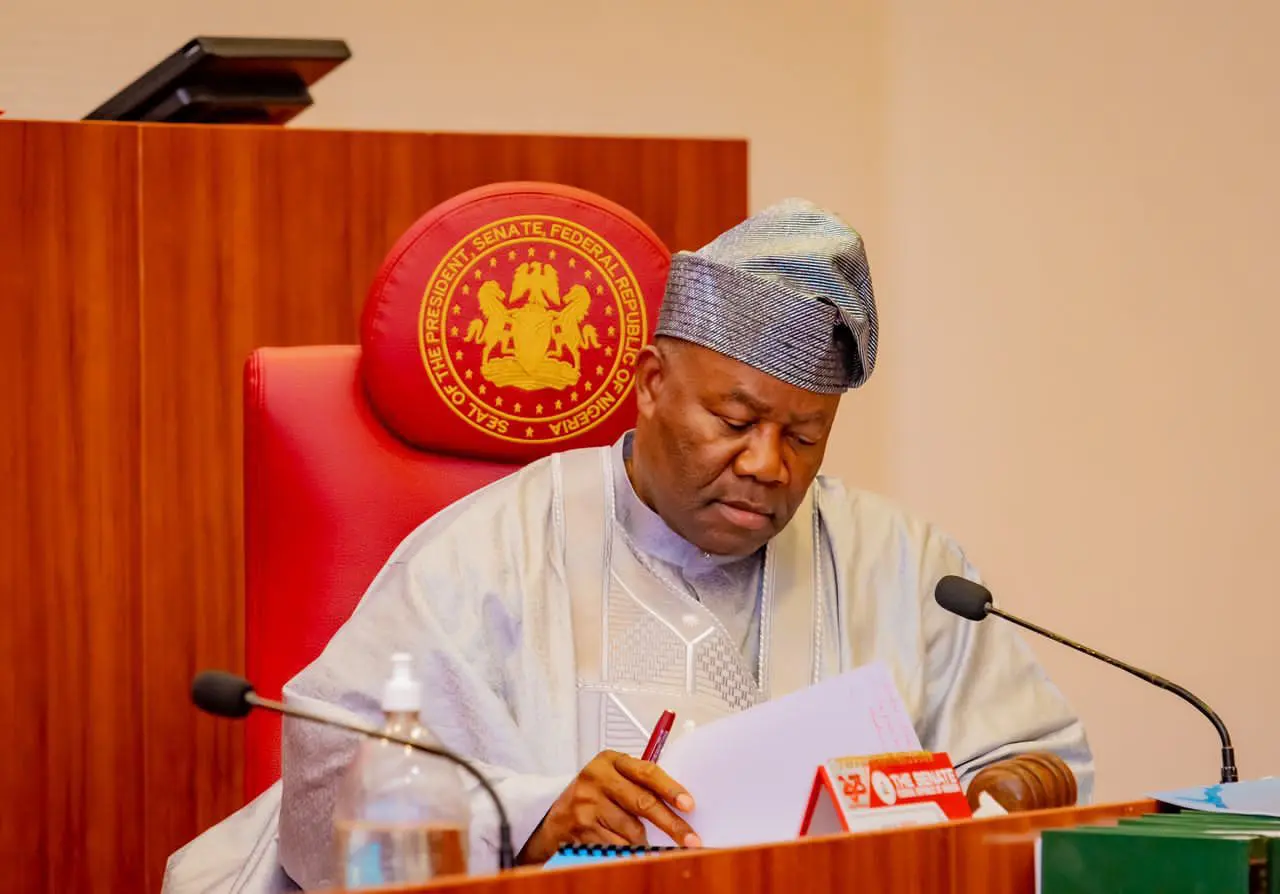
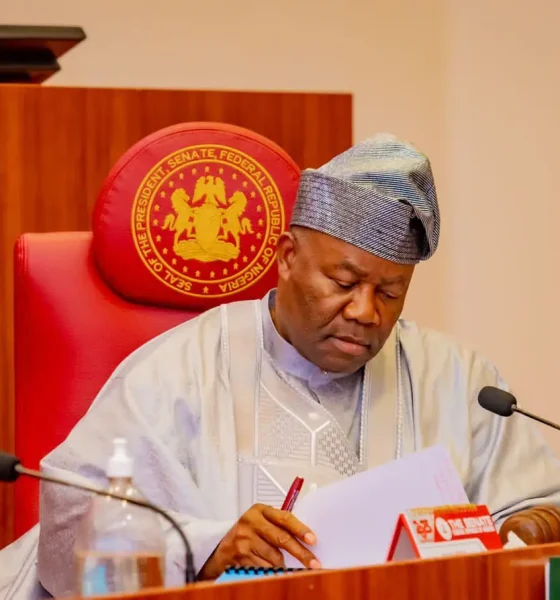
Former Kaduna State Governor and prominent member of the coalition-backed African Democratic Congress (ADC), Malam Nasir El-Rufai, has accused Senate President Godswill Akpabio of standing in the way of efforts to introduce mandatory real-time electronic transmission of election results in the ongoing amendment of the Electoral Act.
El-Rufai made the allegation during an appearance on Trust TV’s programme, 30 Minutes, where he claimed that resistance to the provision is being driven by the leadership of the Senate rather than rank-and-file lawmakers.
According to him, the majority of senators support the clause already approved by the House of Representatives, which requires the Independent National Electoral Commission (INEC) to transmit results electronically from polling units in real time. However, he alleged that the Senate leadership has continued to delay its passage.
“Let us be honest about this. The problem is not the senators. The problem is the Senate President,” El-Rufai said, insisting that claims of a Senate-wide agreement to remove the clause were inaccurate.
The former governor argued that opposition to real-time transmission is aimed at preserving manipulation at collation centres, which he described as the focal point of electoral fraud.
“Rigging does not happen at polling units. It happens at collation centres, where figures are altered,” he said.
El-Rufai further alleged that the reluctance to adopt electronic transmission favours the ruling party and the current administration, which he claimed fears transparent elections.
“They understand that they cannot win free and fair elections. Their only option is to manipulate results after voting,” he said.
He also expressed regret over his absence from recent protests at the National Assembly led by Labour Party’s presidential candidate, Peter Obi, and other opposition leaders.
“I would have joined the protest at the National Assembly if I had been in Abuja,” El-Rufai said.
On the disagreement between the Senate and the House of Representatives, El-Rufai said he expects the joint conference committee to recommend reinstating the real-time transmission clause in the final version of the bill.
He stressed that the issue transcends party politics, describing it as a matter of democratic survival.
“This is not about APC, ADC, or any party. It is about ensuring that Nigerians’ votes count without manipulation,” he said.
El-Rufai expressed confidence that when the Senate reconvenes, lawmakers would assert themselves and restore the provision.
“Most senators are experienced leaders who want Nigeria to progress. I believe they will overrule their presiding officer,” he added.
He also addressed concerns about the possibility of presidential refusal to assent to the amended law, saying the National Assembly must be prepared to override a veto if necessary.
“If the president withholds assent, the legislature has the power to override it. This is about their political survival and the future of democracy,” he said.
El-Rufai noted that the timing of the debate is significant, as lawmakers are already conscious of the next election cycle.
“They do not want the Senate leadership or the president determining who returns to the National Assembly. Any legislator confident in their grassroots support will back this reform,” he said.
Despite widespread skepticism, El-Rufai said he remains hopeful that lawmakers will act in the national interest.
Background to the controversy shows that the House of Representatives had earlier approved a clause mandating INEC to transmit election results directly from polling units, a move applauded by civil society organisations and opposition parties.
Tensions escalated after reports emerged that the Senate had altered or removed the provision during deliberations, triggering protests and objections from opposition figures and minority senators, who insist no consensus was reached to drop the clause.
The matter is now before a joint conference committee of both chambers, whose decision will determine whether real-time electronic transmission of results is retained in the final Electoral Act amendment forwarded to the president for assent.
Akpabio

IMF Urges FG Against Restoring Petrol Subsidy, Recommends Targeted Support for Vulnerable Nigerians

Hundreds of APM Members Defect to Labour Party in Adamawa’s Girei LGA Ahead of 2027

NBBF Zonal Rep Donates Basketball Equipment to Adamawa State Association


Adamawa Assembly Moves to Repeal College of Education Hong Law
IMF Urges FG Against Restoring Petrol Subsidy, Recommends Targeted Support for Vulnerable Nigerians
Hundreds of APM Members Defect to Labour Party in Adamawa’s Girei LGA Ahead of 2027
NBBF Zonal Rep Donates Basketball Equipment to Adamawa State Association
Adamawa Assembly Moves to Repeal College of Education Hong Law
IMF Urges FG Against Restoring Petrol Subsidy, Recommends Targeted Support for Vulnerable Nigerians
Hundreds of APM Members Defect to Labour Party in Adamawa’s Girei LGA Ahead of 2027
NBBF Zonal Rep Donates Basketball Equipment to Adamawa State Association