
News
Tinubu Allocates ₦1.01 Trillion to INEC for 2026 Budget Ahead of 2027 Polls

Tinubu Allocates ₦1.01 Trillion to INEC for 2026 Budget Ahead of 2027 Polls
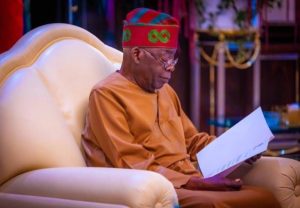
Nigeria’s political scene has been set alight following a historic budget proposal by President Bola Ahmed Tinubu, who has allocated ₦1.01 trillion to the Independent National Electoral Commission (INEC) in the 2026 Appropriation Bill as the nation prepares for the 2027 general elections. This is one of the largest allocations ever made to the electoral body and has triggered heated public debate across social media and political circles.
The 2026 budget, tagged the “Budget of Consolidation, Renewed Resilience and Shared Prosperity,” totals ₦58.18 trillion in projected spending, with INEC’s share standing out due to its size and timing ahead of one of Nigeria’s most consequential election cycles. According to official figures, the huge budget line for the electoral commission reflects a sharp increase compared with previous election funding, though it follows provisions meant to ensure election funds are released at least one year before polls.
Major Public Reaction and Accusations
Immediately after news of the ₦1.01 trillion INEC allocation broke, reactions poured in from citizens, political commentators, and civil society groups. Many Nigerians have voiced suspicions and outright concerns that the unprecedented funding could be used as a tool to influence or sway the outcome of the 2027 elections. Across social platforms like X (formerly Twitter) and Facebook, users questioned why such a staggering amount was necessary and whether adequate safeguards are in place to ensure transparency.
Some critics argue that the size and timing of the allocation suggest political motives, accusing the current administration of attempting to “bribe” or indirectly control the electoral process. Comments on public forums highlight phrases like “budget manipulation” and “pre-election advantage,” reflecting widespread distrust from certain segments of the population. These voices suggest that the massive funding could create conditions for possible rigging or undue influence, unless strong independent oversight is enforced.
In contrast, supporters of the administration note that the high allocation aligns with the scale and cost of modern elections, especially in a country with more than 93 million registered voters, over 176,000 polling units, and complex logistical demands that include voter education, technology procurement, and nationwide deployment of electoral staff. The Electoral Act requires that election funding be provided well ahead of the polls, a provision intended to give INEC ample time for planning and execution.
Government and INEC Responses
Officials defending the budget insist that the allocation is technical and tied to Nigeria’s growing electorate and the need for improved electoral infrastructure. Authorities have emphasized that past elections have seen rising costs and that adequate funding is necessary to ensure credible and well-run elections. INEC leadership has also acknowledged the funds but stressed that strict transparency and accountability measures will guide their use.
Meanwhile, civil society organizations have weighed in with calls for greater budget transparency and clear reporting frameworks. Some have also raised broader concerns about governance and fiscal process, saying the public deserves clearer information on how major allocations in the national budget are determined. Recent statements from advocacy groups highlight worries about budget formulation processes and the need for broader participation and oversight.

IMF Urges FG Against Restoring Petrol Subsidy, Recommends Targeted Support for Vulnerable Nigerians

Hundreds of APM Members Defect to Labour Party in Adamawa’s Girei LGA Ahead of 2027

NBBF Zonal Rep Donates Basketball Equipment to Adamawa State Association


Adamawa Assembly Moves to Repeal College of Education Hong Law
IMF Urges FG Against Restoring Petrol Subsidy, Recommends Targeted Support for Vulnerable Nigerians
Hundreds of APM Members Defect to Labour Party in Adamawa’s Girei LGA Ahead of 2027
NBBF Zonal Rep Donates Basketball Equipment to Adamawa State Association
Adamawa Assembly Moves to Repeal College of Education Hong Law
IMF Urges FG Against Restoring Petrol Subsidy, Recommends Targeted Support for Vulnerable Nigerians
Hundreds of APM Members Defect to Labour Party in Adamawa’s Girei LGA Ahead of 2027
NBBF Zonal Rep Donates Basketball Equipment to Adamawa State Association