News
Day of the African Child 2026: Ensuring Universal Access to Water, Sanitation and Hygiene for Every Child in Africa

Day of the African Child 2026:
Ensuring Universal Access to Water, Sanitation and Hygiene for Every Child in Africa
News Commentary
As Africa marks the Day of the African Child 2026, attention is once again drawn to the urgent responsibility of protecting children today to secure a better Africa tomorrow.
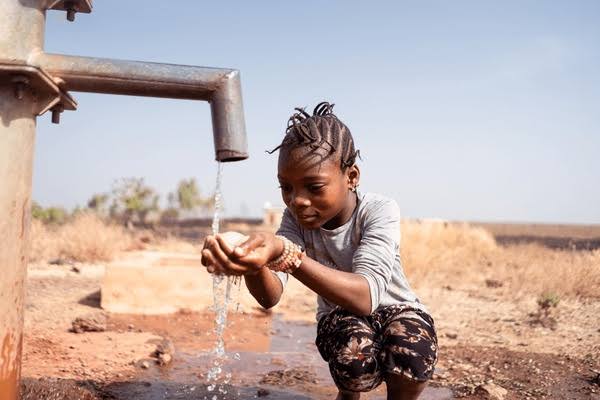
The theme, “Ensuring Universal Access to Water, Sanitation, and Hygiene for Every Child in Africa,” places one of the continent’s most basic human needs at the centre of discussions on child survival, development, dignity, and future prosperity.
The commemoration of the Day of the African Child, observed every June 16, is a reminder of the sacrifices made by children during the 1976 Soweto uprising in South Africa, where hundreds of school children were killed while protesting against oppressive education policies under apartheid rule.
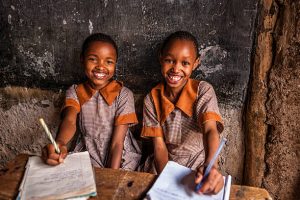
African little girls during their English class in orphanage. There is no light and electricity inside the classroom. Around 50-60 orphans live in this orphanage which is located near Nairobi.
The day has since become an opportunity for governments, organisations, communities, and families to reflect on the rights and welfare of African children.
This year’s theme highlights a reality that millions of African children continue to face: limited access to safe drinking water, proper sanitation facilities, and hygiene services. These challenges remain major barriers to education, health, and overall development, particularly in rural communities and conflict-affected areas.
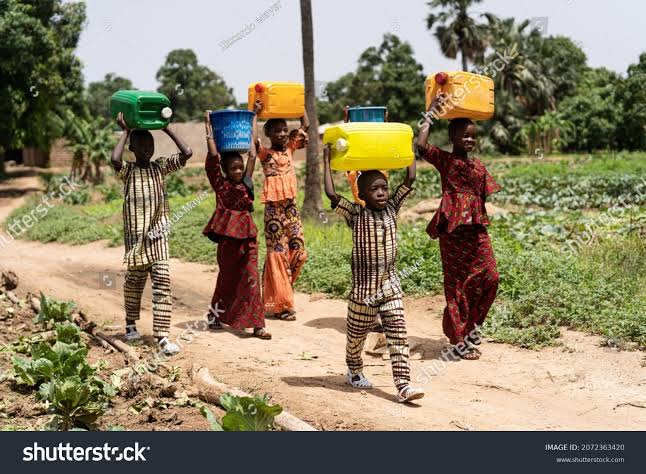
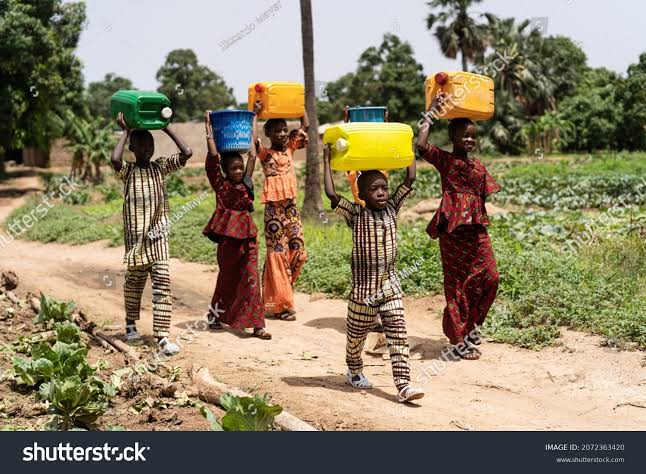
For many children across Africa, the daily search for water affects their ability to attend school. Some spend hours walking long distances to collect water, exposing them to risks and reducing the time available for learning and recreation.
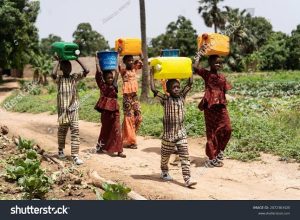
In schools without adequate toilets and handwashing facilities, children are more vulnerable to diseases, absenteeism, and poor academic performance.
Access to clean water and sanitation is not only a development issue but also a fundamental child rights issue. A child who grows up with safe water, hygienic surroundings, and quality healthcare has a stronger chance of reaching their full potential. Conversely, neglecting these basic needs can deepen poverty and inequality for future generations.
The theme therefore challenges African governments, development partners, traditional leaders, private organisations, and communities to move beyond commitments and take practical action. Investment in water infrastructure, sanitation facilities in schools, hygiene education, and community awareness programmes must become priorities.
For Nigeria and other African countries, protecting children requires addressing challenges such as inadequate rural water supply, poor sanitation systems, insecurity that disrupts social services, and the effects of climate change, which continue to threaten access to clean water.
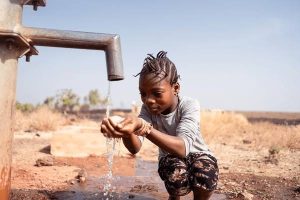
The African child of tomorrow depends on the decisions made today. Providing water, sanitation, and hygiene for every child is not merely about improving living conditions; it is about building healthier communities, stronger economies, and a continent where every child can learn, grow, and contribute meaningfully.
As the world celebrates the Day of the African Child 2026, the message is clear: protecting children requires action, not just words. A healthier and more prosperous Africa begins with ensuring that every child has access to the basic necessities that preserve life and dignity.
-
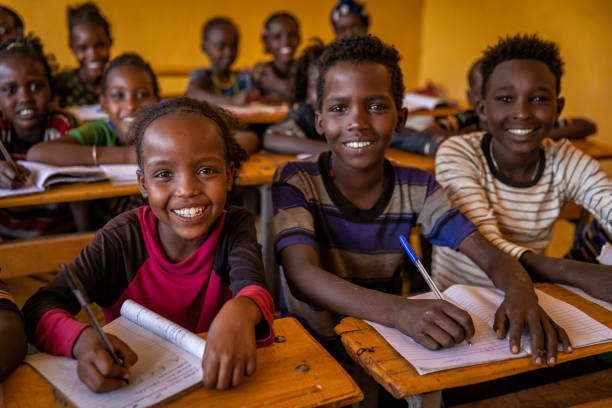
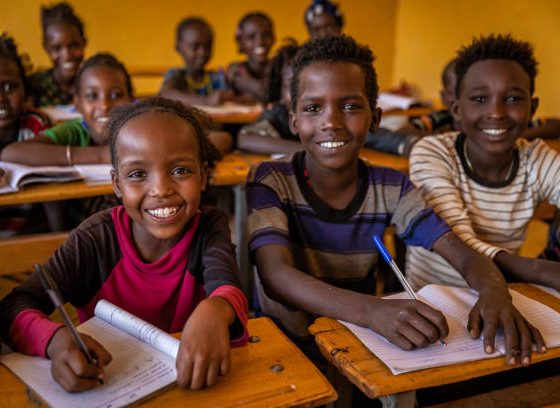
African children during english class in very remote school. The building is new, but still there is no light and electricity inside the classroom.
-
-
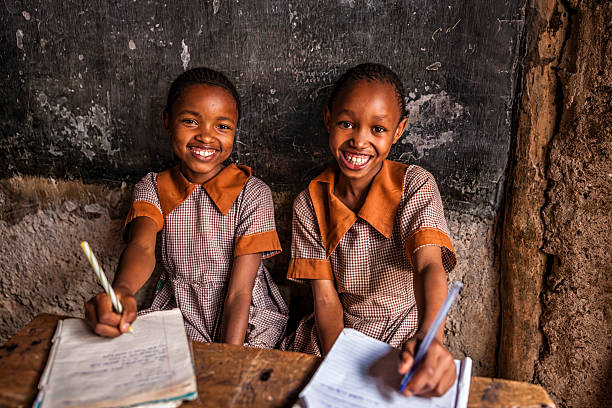
African little girls during their English class in orphanage. There is no light and electricity inside the classroom. Around 50-60 orphans live in this orphanage which is located near Nairobi.
-
-




IMF Urges FG Against Restoring Petrol Subsidy, Recommends Targeted Support for Vulnerable Nigerians

Hundreds of APM Members Defect to Labour Party in Adamawa’s Girei LGA Ahead of 2027

NBBF Zonal Rep Donates Basketball Equipment to Adamawa State Association


Adamawa Assembly Moves to Repeal College of Education Hong Law
IMF Urges FG Against Restoring Petrol Subsidy, Recommends Targeted Support for Vulnerable Nigerians
Hundreds of APM Members Defect to Labour Party in Adamawa’s Girei LGA Ahead of 2027
NBBF Zonal Rep Donates Basketball Equipment to Adamawa State Association
Adamawa Assembly Moves to Repeal College of Education Hong Law
IMF Urges FG Against Restoring Petrol Subsidy, Recommends Targeted Support for Vulnerable Nigerians
Hundreds of APM Members Defect to Labour Party in Adamawa’s Girei LGA Ahead of 2027
NBBF Zonal Rep Donates Basketball Equipment to Adamawa State Association