
Entertainment
How Community Theatre Opened Dialogue in Conflict-Affected Areas in Adamawa

Using drama to bridge divides between farmers and herders, participatory theatre sparks conversation, reduces tensions, and revives traditional dispute resolution practices.
By Semen Isaiah Lerum
For years, recurring clashes between farmers and herders in Adamawa State have followed a predictable pattern: disputes over land or water escalate into violence, community leaders intervene after damage is done, and a fragile calm returns, until the next trigger.
At the heart of these conflicts is competition over natural resources. Shrinking grazing routes, inconsistent land governance, climate variability, and youth unemployment have intensified the struggle. Although the violence is often framed in identity terms, community accounts suggest that access and regulation, not ethnicity, are the primary fault lines.
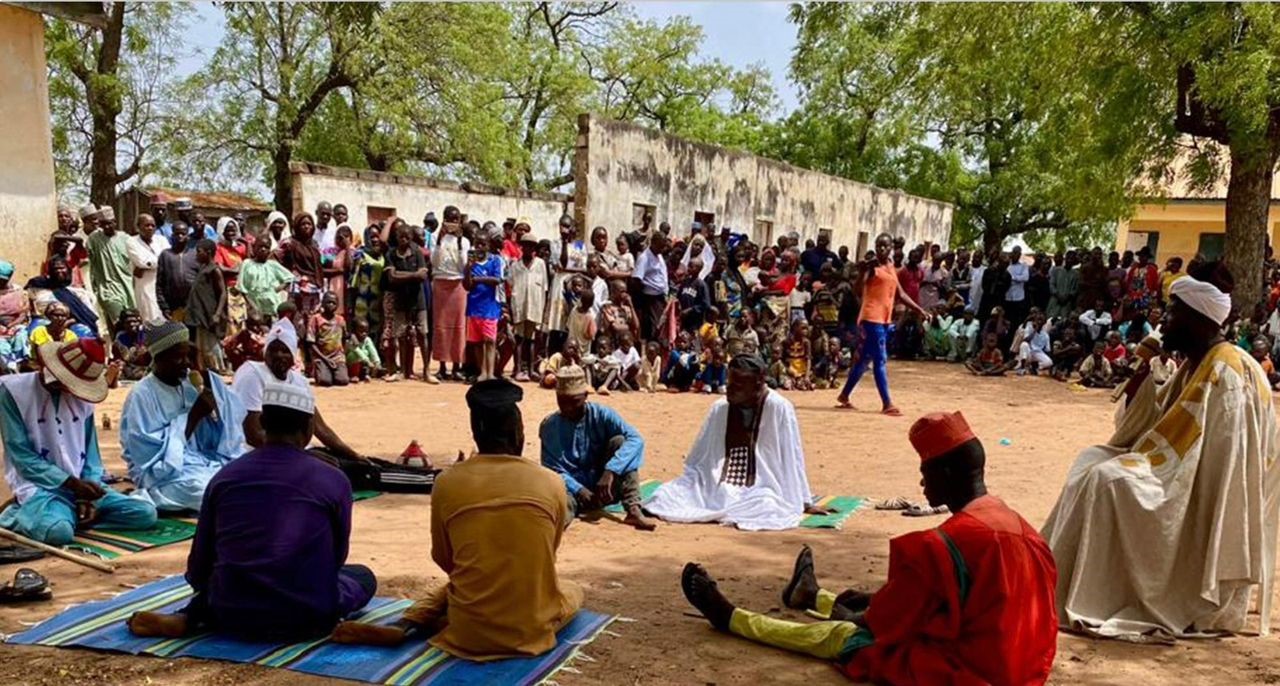
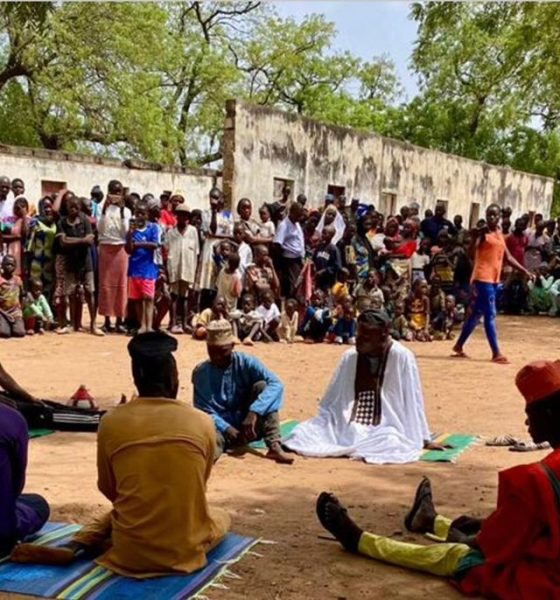
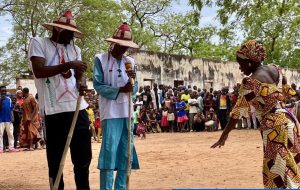
In response to this cycle of violence, some communities in Adamawa are experimenting with a different approach to conflict resolution. Rather than relying solely on formal town hall meetings, farmers and herders are stepping onto makeshift stages to act out the very disputes that divide them.
One such initiative is participatory theatre under the European Union funded COMITAS II project, implemented by Search for Common Ground. The project operates across 22 communities in nine Local Government Areas in Adamawa and Taraba States, reaching more than 10,000 people.
Through participatory theatre, community members dramatize real-life conflict scenarios drawn from their daily experiences. Performances recreate moments that frequently trigger violence, including crop destruction, blocked cattle routes, retaliatory attacks, misunderstandings between youths, and even substance abuse. However, the audience does not remain passive. Viewers are encouraged to interrupt scenes, suggest alternative actions, and sometimes step into roles to demonstrate how disagreements could be handled differently.
To ensure authenticity, local focal points are trained to develop scripts based on actual disputes within their communities. This allows sensitive issues to be addressed without direct accusations, reducing the risk of reigniting tensions while still confronting the underlying problems.
Across participating communities, the intervention has sparked conversations that were previously avoided. In Mayo-Belwa Local Government Area, local authorities publicly endorsed the approach, signaling institutional support and linking community dialogue to governance structures.
Mr. Gbasaham Philomon, a media fellow with Search for Common Ground, described participatory theatre as one of the most impactful approaches he has witnessed in conflict-affected communities. Reflecting on feedback gathered after several performances in Adamawa, Philomon said the method created rare moments of honesty among participants.
“Community members told us that the stage made difficult conversations less confrontational,” he explained. “One old participant said that when people see their own behavior acted out in front of them, it becomes easier to recognize mistakes without feeling attacked.”
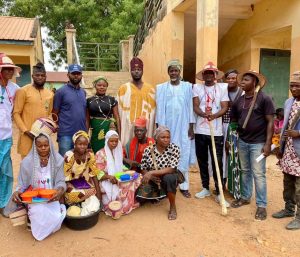
According to Philomon, the performances allowed residents to confront sensitive issues in ways that reduced tension rather than escalating it.
“In a heated argument, people are defensive,” he said. “But during the drama, they laugh, they reflect, and then they begin to talk. Someone told me it is easier to admit fault when it is part of a story than when someone is pointing fingers at you directly.”
He noted that this shift in atmosphere encouraged broader participation, especially among young people who are often sidelined in formal peace meetings.
“For me, the most powerful success story is not just that people watched the performance,” Philomon added. “It is that they stayed afterward to continue the conversation. That tells you something changed.”
Philomon believes the strength of participatory theatre lies in its ability to turn reflection into dialogue and dialogue into prevention.
For many residents, the significance of the theatre initiative extends beyond the performances themselves. Discussions continue long after the stage is dismantled. Community leaders use the renewed momentum to revive traditional dispute resolution practices and encourage early intervention before violence erupts.
In communities long accustomed to reacting after violence breaks out, participatory theatre is creating space for reflection before tensions spiral out of control. Farmers and herders who once faced each other across conflict lines now share the same stage, exploring what coexistence might look like in practice.
However, participatory theatre does not resolve structural challenges such as unclear land demarcation or weak early warning systems. These gaps remain significant and require policy and governance reforms.
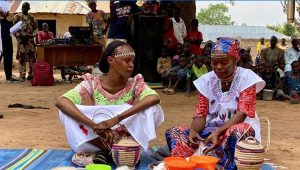
The intervention’s core contribution has been behavioral and relational, rebuilding communication channels before violence erupts. Yet dialogue alone is not enough. When Local Government authorities actively participate and endorse peace processes, institutional accountability and continuity are strengthened.
Ultimately, the long-term sustainability of these gains will depend on whether dialogue mechanisms become institutionalized, whether local governments continue to support inclusive dispute resolution, and whether resource governance challenges are systematically addressed.

How Community Theatre Opened Dialogue in Conflict-Affected Areas in Adamawa

No Aso Rock kitchen staff attempted to poison Tinubu — Presidency

Ali is a lucky soul, He died in Jihad – Gumi

Adamawa Sanitation Committee Ramps Up Enforcement with House-to-House Inspections

Water Scarcity Grips Gudban/Korko Community in Adamawa state as Vital Borehole Falls into Disrepair
How Community Theatre Opened Dialogue in Conflict-Affected Areas in Adamawa
No Aso Rock kitchen staff attempted to poison Tinubu — Presidency
Ali is a lucky soul, He died in Jihad – Gumi
Adamawa Sanitation Committee Ramps Up Enforcement with House-to-House Inspections
Water Scarcity Grips Gudban/Korko Community in Adamawa state as Vital Borehole Falls into Disrepair
How Community Theatre Opened Dialogue in Conflict-Affected Areas in Adamawa
No Aso Rock kitchen staff attempted to poison Tinubu — Presidency
Ali is a lucky soul, He died in Jihad – Gumi
Adamawa Sanitation Committee Ramps Up Enforcement with House-to-House Inspections